

Halloween Packaging Ideas for Small Businesses: A Practical Guide
A pumpkin-shaped cookie, an autumn candle, or a handmade soap bar can become a Halloween gift with a few thoughtful packaging changes. A window can show off the cookie’s decoration. An insert can hold the candle securely. A seasonal sleeve can give the soap a fresh look without replacing its usual box.
For small businesses, Halloween packaging needs to do more than look festive. It should protect the product, fit your budget, and work wherever you sell, whether that is a shop counter, farmers market, pop-up event, or online store.
The National Retail Federation expects U.S. Halloween spending to reach $13.5 billion in 2026, with 49% of consumers planning to start shopping in September or earlier. That makes packaging preparation something to consider well before October.
The following Halloween packaging ideas for small businesses will help you choose a suitable box, add seasonal details, and prepare orders for customers.
1. Choose Halloween treat boxes that protect the product
Cookies, brownies, cupcakes, and candy need different kinds of protection. Before choosing a Halloween design, check how your treats will fit inside the package.
Custom bakery boxes can work well for cookies and brownies, while pastry boxes with suitable inserts can hold cupcakes and smaller desserts. Small Halloween treat boxes are useful for candy assortments, party favors, and individual gifts.
Measure the product as it will be packed. Include any liner, tray, divider, or protective wrapping. A decorated cookie needs clearance above its icing, and a cupcake needs an insert that keeps it upright without letting the frosting touch the lid.
For packaging that touches food, ask your supplier to confirm that the materials suit the food and intended conditions of use. FDA requirements apply to food-contact substances, and substances classified as food additives generally need authorization for their intended use.
A simple seasonal option is a kraft bakery box with an orange label or a small bat illustration. The box handles protection, while the label adds the Halloween message.
2. Use window boxes to display decorated treats
When the decoration is part of the appeal, customers should be able to see it. Window boxes for cookies can display pumpkin shapes, ghost designs, and colorful icing while keeping the treats enclosed.
They can also work well for macarons, candy assortments, and cupcakes sold at bakery counters or holiday markets.
Window placement matters as much as window size. Check a packed sample to see whether the opening shows the product clearly. A divider, label, or poorly positioned window can hide the detail you want customers to notice.
For a short seasonal run, try a standard window box with a custom Halloween sticker. Compare the total cost with a fully printed box, including labels, assembly time, and delivery.
If you sell several types of treats, repeat one design element across the range. Matching labels or the same orange accent can help customers recognize your Halloween collection.
3. Make treats easier to carry with gable boxes
Customers buying party favors or several small gifts often appreciate packaging with a handle. Gable boxes provide a built-in carrying option for lightweight treats and small gift assortments.
They can suit candy shops, bakeries, cafés, and businesses preparing Halloween event orders.
Test the box with the full product weight before ordering. Check that the base stays closed and the handle feels comfortable. Use an appropriate insert or divider if the contents move around when carried.
A kraft gable box with your logo and a Halloween tag can create a seasonal presentation without requiring a detailed printed design.
4. Turn everyday products into Halloween gifts
Halloween gift packaging can work for candles, soaps, coffee, jewelry, and skincare as well as sweets.
Start by deciding what belongs in the set. Two complementary products in a well-fitted box can feel more considered than several items placed loosely in an oversized package.
Folding gift boxes may suit lower-priced sets, while custom rigid boxes can provide a more substantial presentation for premium products. Choose the structure based on the product’s weight, selling price, and how the customer will receive it.
Check what happens when someone lifts the lid:
Do the products stay in position?
Are labels easy to read?
Can customers remove each item comfortably?
Does the set need an insert or divider?
For example, a candle and matching soap could sit side by side in a fitted insert. A seasonal sleeve could carry the collection name while the main box keeps your usual branding.
If the gift will be shipped, plan its outer shipping protection separately. A presentation box may still need a corrugated shipping carton and cushioning.
5. Refresh existing packaging with stickers and sleeves
You do not need a completely new box for every holiday. If your current packaging fits and protects the product, seasonal packaging stickers, sleeves, or tags may be enough.
A soap maker could add a label for a limited-edition scent. A coffee business could use a Halloween sleeve around its usual retail box. A candle company could add a printed insert explaining the seasonal collection.
This approach can reduce leftover packaging because the underlying box remains usable after Halloween.
Before ordering labels, test them on your actual packaging. Textured kraft board, coated surfaces, and refrigerated products may need different adhesives or label materials. Make sure the design stays readable during handling and does not cover essential product information.
Keep the seasonal message simple. A collection name, a small illustration, and one accent color can give the package a clear Halloween identity.
6. Choose shipping protection for online orders
Online orders need packaging that can handle movement, stacking, and handling in transit. Start with the packed product’s weight and fragility, then choose the shipping structure.
Corrugated mailer boxes can combine presentation and shipping protection for suitable products. Other orders may need a separate corrugated carton around the retail or gift box.
Fit is important. Excess space lets products move, while an overly tight package can put pressure on them. Use cushioning or inserts where needed, particularly for glass candle jars and other fragile items.
Ask your supplier about board specifications and weight suitability. Flute type alone does not tell you whether a box will protect a particular order; board strength, construction, fit, and cushioning also matter.
Before committing to a large quantity, test a fully packed sample under conditions that reflect your delivery process. For candles, consider temperature exposure as well as breakage.
Once the protective setup works, add the seasonal design. A printed interior, Halloween insert, or branded sticker can make opening the parcel feel special.
7. Keep your brand recognizable
Custom Halloween boxes should still look like they belong to your business.
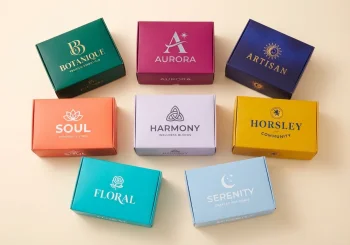
Keep your logo readable and use familiar typography. Then introduce a seasonal detail that suits your products. A playful bakery might use ghosts and pumpkins, while a skincare brand might choose a dark background with a subtle moon pattern.
The box structure should follow the product’s needs:
Tuck boxes can suit lightweight retail items.
Auto bottom boxes can simplify assembly and provide a secure base when correctly specified.
Display boxes can organize products on a counter.
Gift boxes can present coordinated sets.
Avoid choosing a complicated shape only because it looks festive. Consider how long it takes to assemble, how much storage space it needs, and how customers will carry or open it.
Which Halloween packaging fits your product?
Use this comparison as a starting point. Actual protection depends on the materials, construction, inserts, and packed product.
Box type | Best suited to | Typical sales channel | Main consideration |
|---|---|---|---|
Bakery or pastry box | Cookies, brownies, cupcakes, pastries | Bakery counter, market, local pickup | Allow clearance and use inserts where needed |
Window box | Decorated cookies, macarons, visible assortments | Retail displays, markets, gifting | Position the window to show the product clearly |
Gable box | Lightweight treats and party favors | Events, takeout, local pickup | Test the handle and base with the full weight |
Folding gift box | Soap sets, small accessories, modest gift bundles | Retail and gifting | Choose a close fit and suitable internal support |
Rigid gift box | Premium candle, skincare, or jewelry sets | Retail and gifting | May require separate protection for shipping |
Corrugated mailer or shipping carton | Products sent by parcel delivery | Online orders | Match board strength, fit, and cushioning to the contents |
Tuck or auto bottom box | Small retail products | Shelves and counters | Check dimensions, closure, and weight suitability |
What to prepare before ordering custom Halloween boxes
Accurate information helps your packaging supplier recommend a suitable structure and provide a useful quote.
Prepare the following details:
Packed dimensions: Length, width, and height, including inserts or wrapping.
Product weight: The weight of everything going inside the box.
Quantity: Your expected seasonal demand and a realistic allowance for additional orders.
Sales channel: Retail, events, local delivery, gifting, or parcel shipping.
Artwork: Your logo, brand colors, seasonal graphics, and required text.
Special features: Windows, inserts, foil, embossing, or coatings.
Required arrival date: When the packaging must reach you, leaving time to pack orders.
Food businesses should also explain which food will touch the packaging and whether it will be warm, chilled, greasy, or moist.
Ask about minimum order quantities, samples, artwork approval, production time, and delivery. Confirm whether the quoted schedule begins when you place the order or after you approve the final artwork.
Last-minute Halloween packaging options
When Halloween is close, availability matters more than an elaborate design.
In-stock boxes with seasonal stickers, tags, or sleeves can be practical options. Fully custom Halloween boxes may still be possible, but confirm production and delivery dates before relying on them for a launch.
Leave time for packing, too. Boxes arriving just before an event can create extra work if they need assembly, labeling, or inserts.
For next season, begin planning in late summer and work backward from your intended launch date. Allow time for measurements, samples, artwork changes, production, and delivery. Store unused packaging in a clean, dry place.
Choose packaging around the product
The best Halloween packaging starts with how the product will be sold and handled. A decorated cookie benefits from a clear window. A gift set needs an organized presentation. An online order needs shipping protection. An existing retail box may only need a seasonal label.
Choose the size and structure first, then add the Halloween design.
To discuss packaging with Packaging House US, prepare your packed product dimensions, quantity, artwork, and delivery requirements. Those details provide a useful starting point for selecting materials, printing, and finishes that suit your seasonal sales plan.
Frequently asked questions
What packaging is best for Halloween treats?
Bakery boxes, pastry boxes, window boxes, and gable boxes can all work. Choose based on the treat’s size, weight, decoration, and handling needs. Cupcakes may need inserts, while decorated cookies benefit from enough clearance to protect the icing.
How can small businesses create affordable Halloween packaging?
Use an existing box with seasonal stickers, sleeves, tags, or inserts. Compare the complete cost, including assembly and labeling, and choose a quantity that matches your expected sales.
Are window boxes suitable for Halloween cookies?
Yes. They are useful when the cookie decoration helps customers choose the product. Check that the window provides a clear view and that the cookies remain secure inside.
What packaging should online sellers use?
Start with a suitable corrugated mailer or shipping carton. Match the structure and board strength to the packed product, and add cushioning or inserts when needed. Decorative gift packaging may require an outer shipping box.
When should businesses order Halloween packaging?
Plan backward from your product launch date. Allow time for samples, artwork approval, production, delivery, and packing. Late summer can be a useful starting point, but the necessary lead time depends on your supplier and packaging specifications.
Can businesses order a small seasonal run?
Minimum quantities vary by supplier and box type. Ask about short-run printing and in-stock options. Standard boxes with custom labels may be practical when demand is uncertain.