

How to Design Custom Packaging Boxes: A Step-by-Step Guide for First-Time Buyers
Designing custom packaging boxes can feel overwhelming when you're ordering packaging for the first time. You may know how you want your product to look, but choosing the right box style, dimensions, material, artwork, and finishing options can quickly become confusing.
For small business owners, e-commerce sellers, and growing product brands, good packaging design is about more than making a box look attractive. Your packaging needs to fit the product, protect it during shipping, represent your brand, and create a positive customer experience.
This step-by-step guide explains how to approach custom packaging design from the beginning and avoid some of the most common mistakes first-time buyers make.
1. Start With Your Product
Before choosing colors or creating artwork, start with the product itself. Measure its length, width, and height accurately, and consider how much additional space is needed for protective materials, inserts, or dividers.
Think about how the product will be handled during shipping. Is it fragile, heavy, lightweight, or sensitive to moisture? Does it need cushioning? Will it be packed individually or alongside other products?
Starting with these questions helps you determine what type of custom product packaging you actually need instead of choosing a box based only on appearance.
2. Choose the Right Box Style
Once you understand your product requirements, choose a box style that supports its shape, weight, presentation, and shipping method.
Popular options include custom mailer boxes, folding cartons, rigid boxes, tuck-end boxes, sleeve boxes, display boxes, and corrugated shipping boxes.
For e-commerce brands, mailer boxes can provide a practical combination of protection and presentation. Retail products may benefit from folding cartons or display packaging, while luxury and gift products often require the more premium structure of rigid boxes.
Don't choose a box style simply because it looks attractive. Consider how easily it can be assembled, stored, opened, shipped, and displayed.
3. Get the Box Dimensions Right
Incorrect sizing is one of the most common mistakes first-time packaging buyers make.
Your box should be large enough to accommodate the product and any required protective components, but it shouldn't contain excessive empty space. A box that is too large can increase material usage and shipping volume, while a box that is too small can damage the product or make packing difficult.
When requesting a quote for custom boxes, provide accurate product dimensions and explain whether you need room for inserts, tissue paper, padding, or other packaging components.
It is also important to understand that box dimensions may be specified as length × width × height, so confirm the measurement format with your packaging supplier before approving the design.
4. Select the Right Packaging Material
The material you choose should reflect both your product requirements and your brand positioning.
Corrugated packaging is commonly used for shipping because of its strength and protective properties. Kraft boxes can provide a natural appearance and are popular with brands looking for a simple, organic aesthetic. Folding cartons can work well for lightweight retail products, while rigid boxes offer a sturdy and premium presentation.
Don't automatically select the cheapest material. Consider product weight, shipping conditions, stacking, storage, durability, and the experience you want customers to have when opening the package.
5. Plan Your Artwork Before Designing
Once the structure and material are decided, you can start planning the artwork.
Your packaging artwork should have a clear visual hierarchy. Decide which information customers should notice first, second, and third.
Your design may include:
Brand logo
Brand colors
Product name
Product information
Website or social media details
Instructions or usage information
Barcode or QR code
Required warnings or regulatory information
Decorative graphics or patterns
Avoid trying to place every possible piece of information on the box. Too much text and too many design elements can make packaging look crowded.
6. Use Your Brand Colors and Typography Consistently
Your custom printed boxes should look like they belong to your brand.
Use the same or complementary colors, fonts, logo treatments, and visual elements that customers already associate with your business. Consistency becomes particularly important when you sell multiple products.
For example, if you have five different products, they don't necessarily need identical packaging. However, customers should still be able to recognize that all five products belong to the same brand.
7. Understand the Artwork Layout
Packaging artwork is different from designing a regular social media post or website banner. A box contains multiple panels, folds, flaps, seams, and edges that can affect how the design appears after production.
Before finalizing your artwork, understand which areas represent the front, back, sides, top, bottom, and inside panels of the box.
Keep important text and logos away from cut lines, folds, and edges. Images and patterns should also extend far enough into the bleed area when required.
If you're unfamiliar with packaging dielines, this is where professional design assistance can save considerable time and prevent costly mistakes.
8. Choose Printing and Finishing Options
After creating the basic design, consider whether your packaging needs additional printing or finishing.
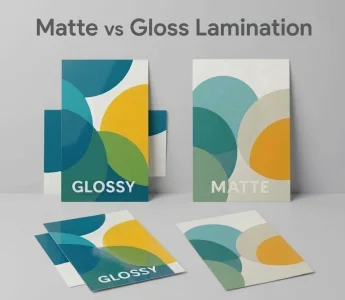
Depending on the box style and material, options may include matte or gloss coating, spot UV, foil stamping, embossing, debossing, die-cut windows, and specialty printing.
The key is to choose finishes that support the product rather than adding features simply because they are available.
For a premium cosmetic or gift product, foil stamping or embossing may complement the brand. For a simple e-commerce package, a clean printed design may be more appropriate.
9. Don't Forget the Inside of the Box
Many first-time packaging buyers focus entirely on the outside of the box.
However, the inside can also become part of the customer experience. You can use interior printing, branded messages, patterns, thank-you notes, inserts, or promotional information to create a more thoughtful unboxing experience.
Even a simple message printed inside the lid can make the packaging feel more intentional.
10. Avoid Designing Only for the Screen
A packaging design may look perfect on a computer screen but appear different when printed.
Colors can vary between digital displays and physical materials. Small text may become difficult to read, and certain details may not reproduce as expected at production size.
Always review a proper packaging proof and, when possible, request a physical sample before committing to a large production order.
11. Request a Sample Before Ordering in Bulk
One of the most important steps for first-time buyers is sampling.
A physical sample lets you check whether the product fits correctly, whether the box is easy to assemble, whether the artwork looks right, and whether the material provides the expected level of protection.
Test the package as a real customer would. Put the product inside, close the box, handle it, stack it, and consider how it will perform during shipping.
Finding a problem with one sample is much easier and less expensive than discovering the same problem after ordering thousands of boxes.
12. Don't Let Design Become the Biggest Barrier
Not every business owner has graphic design experience, and you don't necessarily need to be a professional designer to start creating custom packaging.
If you have a rough sketch, logo, reference image, or even a basic idea of how you want your box to look, packaging design teams can help turn that concept into production-ready artwork.
For example, services such as The Box Packaging's free design support can help new brands move from a rough concept or sketch to a print-ready packaging file, with designs developed within 48 hours. This can make the process much easier for small businesses that know what they want but don't have an in-house designer.
Common Custom Packaging Mistakes to Avoid
First-time packaging buyers often make a few predictable mistakes. Ordering boxes before confirming product measurements can lead to poor fit. Choosing material based only on price can create protection problems. Overloading the artwork with text can make the design difficult to understand.
Other common mistakes include ignoring the dieline, placing important artwork too close to folds or cut lines, skipping physical samples, selecting finishes without considering the material, and ordering a large quantity before testing the packaging.
Taking a little extra time during the planning stage can prevent many of these problems.
Final Checklist Before Ordering Custom Boxes
Before approving your custom packaging boxes, make sure you have:
Confirmed your product dimensions
Selected the appropriate box style
Chosen a suitable packaging material
Planned your artwork and panel layout
Checked logos, colors, fonts, and product information
Reviewed the dieline carefully
Confirmed printing and finishing options
Requested a digital proof
Ordered a physical sample when appropriate
Tested the product fit and packaging performance
Confirmed your final quantity and production requirements
Design Custom Packaging With Confidence
Creating custom boxes doesn't have to be complicated. The key is to approach the process step by step, starting with your product and ending with a tested packaging design.
Choose the right structure, confirm the dimensions, select suitable materials, organize your artwork carefully, and always review a sample before committing to a large order.
For small businesses and e-commerce brands, professional guidance can make the process even easier. With the right packaging partner, you can turn an initial idea into custom printed boxes that protect your products, represent your brand, and create a stronger customer experience.
The Box Packaging can help you move from an initial concept to finished packaging with design support, custom box manufacturing, printing, and a range of packaging options tailored to your product.