

Cereal boxes are more than simple containers for breakfast foods. They protect the product, provide important information, support brand recognition, and help cereal products stand out on crowded retail shelves. The material, size, printing, and finishing of a cereal box all play an important role in creating effective packaging.
Most cereal boxes are made from paperboard or cardboard because these materials are lightweight, printable, easy to customize, and suitable for retail packaging. Depending on the product and brand requirements, manufacturers can also choose kraft and other paper-based materials.
In this guide, we’ll explain what cereal boxes are made of, which materials work well for cereal packaging, and how thoughtful design can make custom cereal boxes more attractive and functional.
What Are Cereal Boxes Made Of?
Cereal boxes are generally made from paperboard or lightweight cardboard. These materials provide enough strength to hold and protect dry cereal while keeping the packaging lightweight and easy to transport.
For brands looking for an environmentally conscious option, recycled paperboard and kraft materials can also be considered. The appropriate material depends on factors such as the cereal type, box size, desired appearance, printing requirements, and shipping conditions.
At The Box Packaging, cereal packaging can be customized according to your product and branding requirements. You can choose from different materials, sizes, printing options, finishes, and structural styles to create packaging that fits your cereal properly and presents your brand professionally.
Paperboard Cereal Boxes
Paperboard is one of the most commonly used materials for retail cereal packaging. It provides a smooth surface for high-quality printing while remaining lightweight and easy to handle.
Brands can print their logo, product name, illustrations, nutritional information, ingredients, barcode, and other required details directly onto the box.
Cardboard Cereal Boxes
Cardboard cereal boxes offer a practical combination of strength, flexibility, and printability. They can be produced in different thicknesses and customized into various shapes and dimensions.
Cardboard is particularly useful when brands need cereal packaging that can withstand normal handling, storage, and transportation.
Kraft Cereal Boxes
Kraft is a popular choice for brands that want a natural and minimal packaging appearance. Its earthy appearance can work particularly well for organic cereals, granola, whole-grain products, and health-focused brands.
Kraft cereal boxes can also be printed with logos, illustrations, product information, and other brand elements.
Recycled and Sustainable Materials
Many brands are becoming more conscious of the materials used in their packaging. Recycled paperboard and other paper-based options can help brands reduce their reliance on virgin materials while maintaining a professional presentation.
When choosing sustainable cereal packaging, brands should consider the complete packaging structure, printing requirements, coatings, and the product's protection needs rather than focusing on material alone.
Why Does Cereal Packaging Matter?
Cereal packaging has two important responsibilities: protecting the product and presenting the brand. Cereal products are commonly displayed on retail shelves alongside numerous competing brands, so packaging needs to capture attention while making the product information easy to understand. A well-designed cereal box can help customers recognize the brand, understand what the product offers, and distinguish one flavor or variety from another.
Custom cereal packaging also gives brands greater control over their visual identity. Instead of relying on generic packaging, businesses can create a box around their own colors, typography, artwork, product information, and brand message. This creates a more consistent appearance across the product line and can help build stronger recognition over time.
7 Cereal Box Design Ideas for Your Brand
Once you have selected the right material for your cereal packaging, the next step is creating a design that represents your product and connects with your target customers. A well-planned cereal box design can make your product more noticeable on retail shelves while communicating your brand identity and product benefits. Here are seven creative cereal box design ideas you can consider for your brand.
1. Use Bold and Recognizable Branding
Your brand name and logo should be easy to recognize at a glance. Instead of filling the front panel with too many design elements, create a clear visual hierarchy that allows customers to immediately identify your brand and cereal variety. Consistent brand colors, recognizable typography, and cohesive imagery can help create a stronger identity across different cereal products while making your packaging easier to recognize when displayed together on a retail shelf.
2. Create Eye-Catching Illustrations
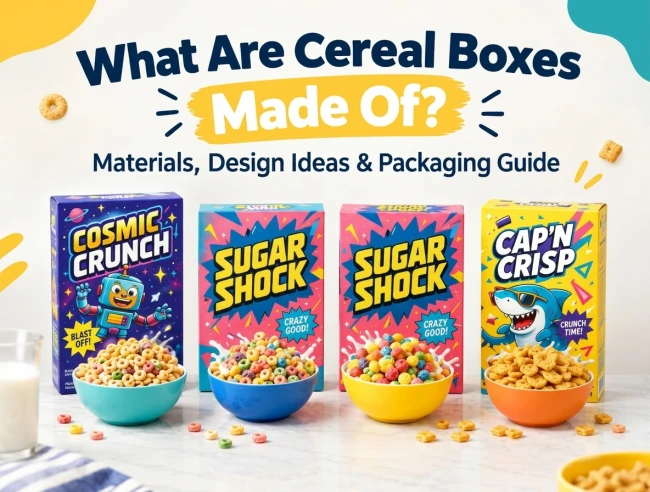
Creative illustrations can give your custom printed cereal boxes a distinctive and memorable appearance. For children's cereals, playful characters, colorful graphics, and imaginative scenes can create an energetic and entertaining presentation. Adult-oriented cereals may benefit from cleaner illustrations, product photography, or more sophisticated graphic elements. The most effective visuals should complement your cereal and reflect the personality of your brand rather than simply adding decoration to the box.
3. Choose Colors That Match Your Product
Color plays an important role in cereal packaging design because it can influence how customers perceive the product. Bright and energetic colors can create a playful and youthful appearance, while earthy shades such as green, brown, beige, and soft orange can work well for organic, natural, or health-focused cereals. Premium cereal brands may prefer sophisticated color combinations with subtle metallic accents or darker tones. Whatever colors you select, make sure they complement your brand identity and remain consistent across your packaging.
4. Add Games and Interactive Elements
For children's and family-oriented cereals, you can turn the packaging itself into part of the customer experience. Interactive cereal boxes can feature puzzles, mazes, word searches, trivia, coloring activities, fun facts, or activities based around your brand characters. These elements can encourage customers to spend more time interacting with the packaging and can make your cereal box feel more entertaining and memorable. Creative interactive features can also give your brand an opportunity to create unique limited-edition or promotional packaging.
5. Highlight Important Product Benefits
Customers often want to understand the main characteristics of a cereal product quickly, so your packaging should communicate important information clearly. Depending on your product, you may highlight characteristics such as high fiber, whole grain, protein content, organic ingredients, or no added sugar. These statements should always accurately represent your product and comply with applicable labeling requirements. A well-organized information hierarchy allows customers to find important details without making the front of your cereal packaging look overcrowded.
6. Use Premium Finishes for a Distinctive Look
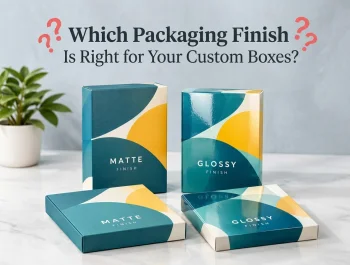
The right finishing technique can add another layer of visual appeal to your cereal packaging boxes. Matte finishes can create a smooth and sophisticated appearance, while gloss finishes can make colors look brighter and more vibrant. Brands looking for additional impact can consider spot UV, foil accents, embossing, or debossing to emphasize specific elements such as a logo, product name, or illustration. When used thoughtfully, these finishing options can help your custom cereal boxes stand apart while giving the packaging a more refined appearance.
7. Design Seasonal Cereal Packaging
Seasonal cereal packaging can give brands an opportunity to introduce something fresh and visually different during important holidays and special occasions. Christmas, Halloween, Valentine's Day, back-to-school campaigns, and other seasonal events can be represented through colors, illustrations, characters, patterns, and limited-edition artwork. Seasonal custom cereal boxes can create excitement around an existing product while giving your brand a timely way to connect its packaging with a particular celebration or marketing campaign.
How to Choose the Right Material for Cereal Boxes
There is no single material that works for every cereal brand. The right choice depends on several factors.
Consider Your Product
Think about the type and quantity of cereal being packaged. A small cereal box may require a different board thickness from a larger family-size package.
Consider Your Box Dimensions
Your cereal packaging should fit the product properly without unnecessary empty space. Accurate dimensions can improve presentation while making storage and shipping more efficient.
Consider Your Printing Requirements
If your design contains detailed illustrations, photographs, gradients, or multiple brand colors, choose a material and printing method that can reproduce the artwork clearly.
Consider Your Brand Positioning
A natural cereal brand may prefer kraft or recycled paper-based packaging, while a premium brand may choose refined finishes and a more sophisticated structure.
Consider Storage and Transportation
Your packaging should be strong enough for normal handling, stacking, storage, and transportation. Material thickness and box construction should be selected accordingly.
What Should Be Printed on a Cereal Box?
A cereal box should provide customers with the key information they need while maintaining a clean and attractive design. Depending on the product and market, the packaging may include the brand name and logo, product name and flavor, net weight, ingredients, nutrition facts, allergen information, serving or storage instructions, barcode, and manufacturer details. Any certifications or product claims should also be displayed accurately. Since food-labeling requirements vary by market, brands should always check the applicable regulations before printing their custom cereal boxes.
Custom Cereal Boxes for Different Product Types
Different cereal products can benefit from different packaging approaches.
Kids' Cereal Boxes
Children's cereals often use bright colors, playful characters, illustrations, and interactive elements to create an engaging presentation.
Organic Cereal Boxes
Organic and health-focused brands often use natural colors, simple typography, botanical illustrations, and kraft-style packaging to communicate a natural brand identity.
Granola Boxes
Granola packaging can combine natural visuals with premium design elements. Clear product photography, earthy colors, and concise nutritional messaging can create a strong shelf presentation.
Protein Cereal Boxes
Protein-focused cereals may benefit from bold typography and prominent nutritional messaging. The packaging should make the product's key attributes easy to identify.
Family-Size Cereal Boxes
Larger cereal packages need a structure that provides sufficient space for the product while remaining stable during storage and transportation.
Why Choose Custom Cereal Boxes?
Stock packaging may be convenient, but it limits your ability to create a distinctive brand presentation.
With custom cereal boxes, you can control the box dimensions, material, artwork, printing, finishes, and overall structure. This allows the packaging to be developed around your specific product instead of forcing your product into a generic box.
At The Box Packaging, you can create cereal packaging based on your product dimensions and brand requirements. From material selection and structural design to printing and finishing, every element can be customized to create packaging that fits your product and represents your brand.
Make Your Cereal Packaging Stand Out
Effective cereal packaging combines protection, functionality, branding, and visual appeal.
The material provides the foundation, while the box structure determines how the product is presented and protected. Printing communicates your brand story, and finishing options add another layer of visual and tactile appeal.
Whether you're launching a new granola brand, developing children's cereal packaging, or updating an established product line, investing in thoughtfully designed custom cereal boxes can help create a more consistent and professional brand experience.
Get Custom Cereal Boxes from The Box Packaging
Looking for custom cereal boxes designed around your product and brand?
The Box Packaging can help you create custom cereal packaging in different sizes, materials, styles, and finishes. From the initial concept to the final printed box, you can customize your packaging to match your product requirements and brand identity.
Get a custom quote today and create cereal packaging that makes your brand stand out.